

The most important lesson that you can learn before embarking on your Nomadic Journey, be it in a Skoolie, Van, Shuttle, Box Truck, or even a used camper, is that the simplest solution is usually the best.
It's easy to get sucked in by the online videos and YouTube Bus or Van tours. They are full of elaborate roof patios, thousand dollar toilets, gigantic battery banks and solar arrays. They seem to have cedar from floor to ceiling, and Live edge … “everything”. - All of that is very nice, but it's also very unnecessary. In fact, it is often unwise.
The most common mistake that new Vanlifers or Skoolie-Dwellers make is trying to make their initial Build “perfect” or somehow live up to those Video-Influencer standards. We can't tell you how many times we've seen someone get halfway through their Build and run out of money. Their Nomadic dreams are cut short. They never even make it to The Road. There are no sunsets on the beach, no bonfires, no rallies, no Burning Man, no Quartzsite, and no desert highways that go on forever, all because they listened to a few yahoos on the internet telling them that they had to build things a certain way. - You must build a full on reverse-osmosis water setup! You must spray-foam every inch of your bus and install an air-tight vapor barrier! You must eliminate all thermal-bridging, everywhere! And, of course... You must construct an elaborate Solar Setup that functions just like your current house, using only the most expensive, top-of-the-line components!
All of those statements are false. There are varying amounts of merit to some of those ideas but, to say that someone must do this or that (“There’s Only One Way!”) is, at best, counter-productive or, at worst, could be the very reason you never finish (or even start) your Build. - So many people fail, because they spend too much money trying to make it all “perfect” (or pay someone who tells them that there’s only one way to do it), when they could have spent a fraction of the cost and done just fine.
Your Build is your business. Do what works for you!
Don't get me wrong, if you have unlimited resources, feel free to do all of that stuff (except for the “vapor-barrier thing”. That's actually a really bad idea.), but if your primary goal is to make it to The Road, if what you really want is to experience the Nomadic Lifestyle (rather than just look good doing it), consider the following:
Your needs are going to change. You have no way of knowing what you need and what truly works for you until you have lived on The Road for a while. There are plenty of videos out there about “Mistakes we made”, “Things we would do differently”, etc. - Watch some of those and pay close attention to some of the very basic things that they didn't consider. It's okay. There's no shame in it. We've all been guilty over-building and getting overly creative, when it just wasn't necessary.
You may love the idea of a copper lined bathtub, only to realize that it isn't really practical to take a bath in your Bus. You might want a walk in pantry or a china hutch, only to find out that it's all just unused space. Moreover, that shelf, that hook, or that really cool bunk bed/storage unit you saw on Pinterest, might work exactly as you planned, or you might just keep banging your head on it and knocking stuff off.
In our Step By Step Build Order Tutorial we discuss going “test camping”. In short, whenever possible, you should try to make simple mock-ups or cheap versions of the items in your Build. Then try living in the space for a while before you put all the time, effort, and expense into the final piece. You’d be surprised how much a week long camping trip will make you reevaluate.
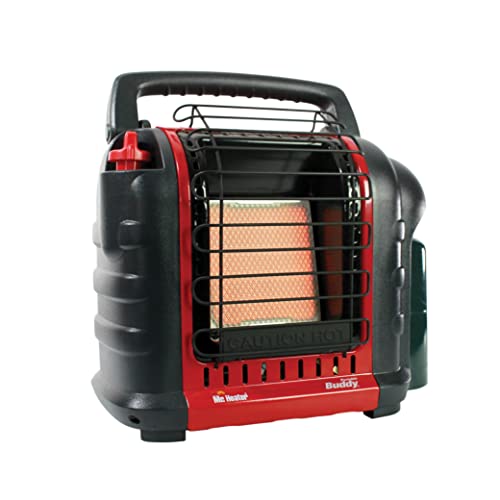
The best advice, really, is to do a very minimal, inexpensive Build first. (See: Doing a Build On The Cheap.) Take it out an live in it for a while. figure out where you actually Need outlets, where stuff actually fits, and what things you never use. - Start with a 12v Chest fridge and a Mr. Buddy Heater. You may find out that they are all you ever need. We did! Consider items that are are simple, scalable, portable, and require minimal installation. You can always upgrade to a Diesel Heater and a 120v fridge later, if necessary.

Your first Conversion probably won’t be your “Forever Home”. If you're converting a 15 year old School Bus, Van, Shuttle, Box Truck, etc., you might get 5-7 years out of it before it goes total-failure, even if you're the greatest mechanic in the world. At some point it simply makes more sense to replace it than to keep repairing it.
Lots of people buy a 40-foot Pusher with the best intentions but, in very short order, find it uncomfortable to drive. It could be too big, too noisy, too hard to stop, turn, or backup… That, or it might just be more space than you actually need (or more fuel than you want to buy), so you start looking for something smaller.
There are lots of reasons people “fall out of love” with their first Bus/Van/Shuttle. Sure, everything you've built into the old Bus can be transferred over to your new Rig but, by that time, you will almost certainly be ready to downsize, minimize, redesign or replace most of those items.
In some cases, you might just realize that life on The Road isn’t your thing. This lifestyle doesn’t work for everybody. You might miss your sticks and bricks, or even your 9-5 job and morning commute. It’s more common than you might think. After just a few months on The Road, someone decides that they just don’t like it. It could be the cramped space, the creative showering, or simply the routine. Your income stream might fall through. Your pets or kids might hate it. Illness… Any number of things can cut short your Nomadic Journey. Do you really want to spend 30 grand, just to find out?
Just because it costs more doesn't mean it's the best. Once again, people trying to sell you something on the internet will try to sell you the top-shelf items first. Batteries are a great example. The technology has grown by leaps and bounds over the last few years, and prices are dropping quickly.
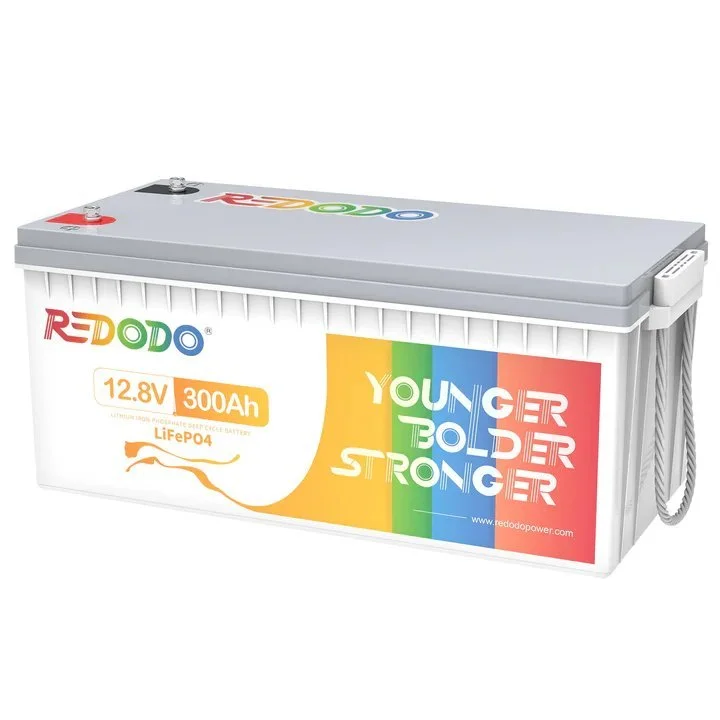
As recently as 2019, if you wanted Lithium Batteries, you pretty much had to spend a grand on the Battle Born brand, and that only got you 100 amp hours. Today, for about the same price, you can get 600 amp hours from Redodo. Not only are these the batteries we currently use, but the company is easy to work with. Click the link or the image to check them out. You won't be sorry. They are also featured in our Simple Solar Tutorial.
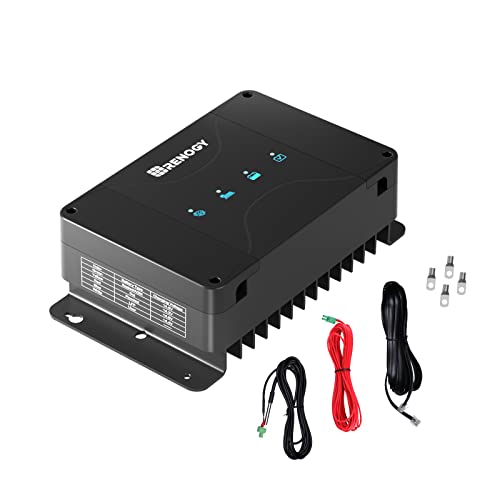
The Renogy Company, for some unknown reason, takes a curious amount of grief in the threads and forums. - Anyone who says, “Never use anything by Renogy!” probably never has (that, or they have a vested interest in selling you something more expensive). I've done several Solar Setups over many years and there's been something Renogy in every single one of them. In all of that time, neither myself, nor anyone I've done a setup for, has had any issues what-so-ever. - This combination Charge Controller and DC-DC charger not only replaces 2 components, but takes less space, saves $, and works like a champ. - We’ve been using it since 2021.
There are examples of this in every aspect of your Build. - Spend half as much on a Westinghouse Generator vs. a Honda (click to compare). You don't need a $300 cooler. And yes, a full T&G cedar ceiling looks great, but you can accomplish the same thing with quality paneling for less money, less weight, and a lot less effort. - For almost every item prominently displayed in an Influencer Video, there is a less expensive version with great reviews. - Skip the prestige for now, and go with what's practical vs. what looks good on YouTube.


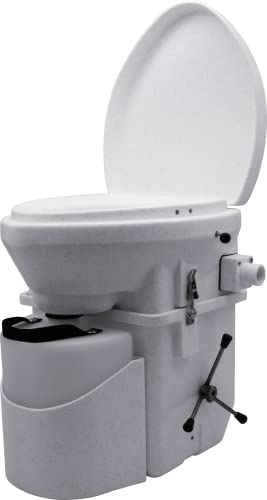
You don't need a $1000 Toilet. We were going to include this in the entry above, but it bears it's own section due to all of the misconceptions about compost toilets, as well as their popularity in Bus/Van-Tours. This is also one of the simplest places to save a fair amount of money, and a surprising amount of “ick-factor”. Read the section in The Book for a lot more info, but basically: A compost toilet does not actually compost. It simply uses a medium such a coco coir to mask the smell and start to break down the matter. While these are great units, they do require drilling extra holes in the Rig, installing a fan, and then disposing of the actual material (as well as additional cleaning). - The options are to bury your waste, find a legit/legal compost site, or toss it in an unsuspecting dumpster. - Sure, people throw dog poop and kitty litter in the trash every day, but there's something different about human waste, whether it’s your own or otherwise.
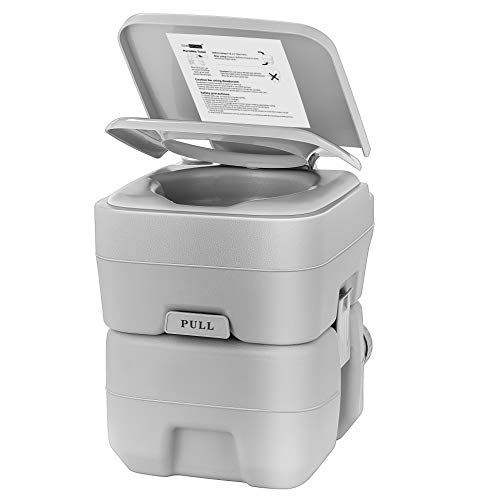
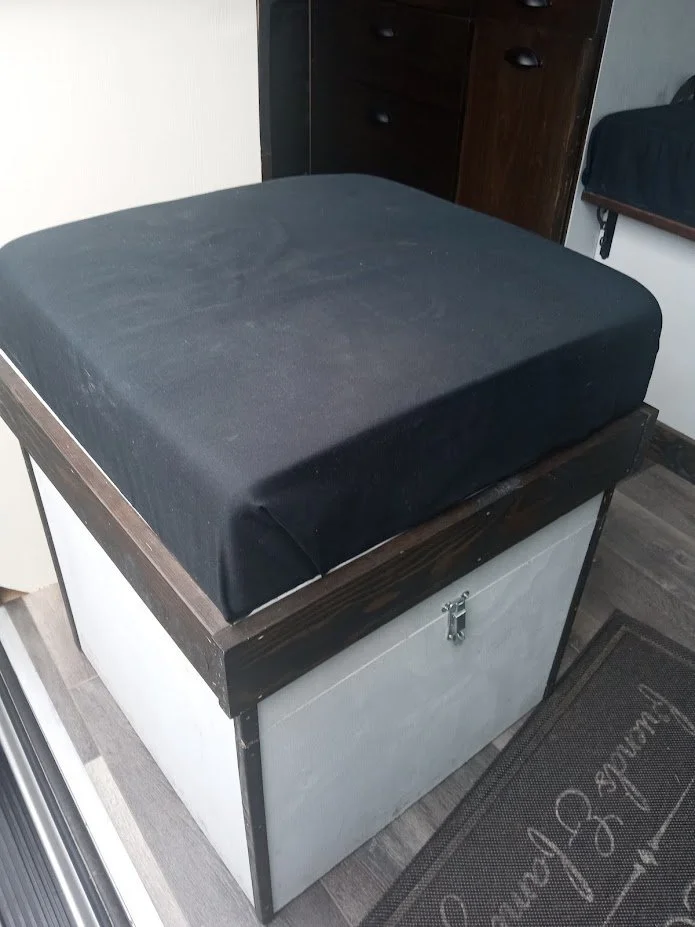
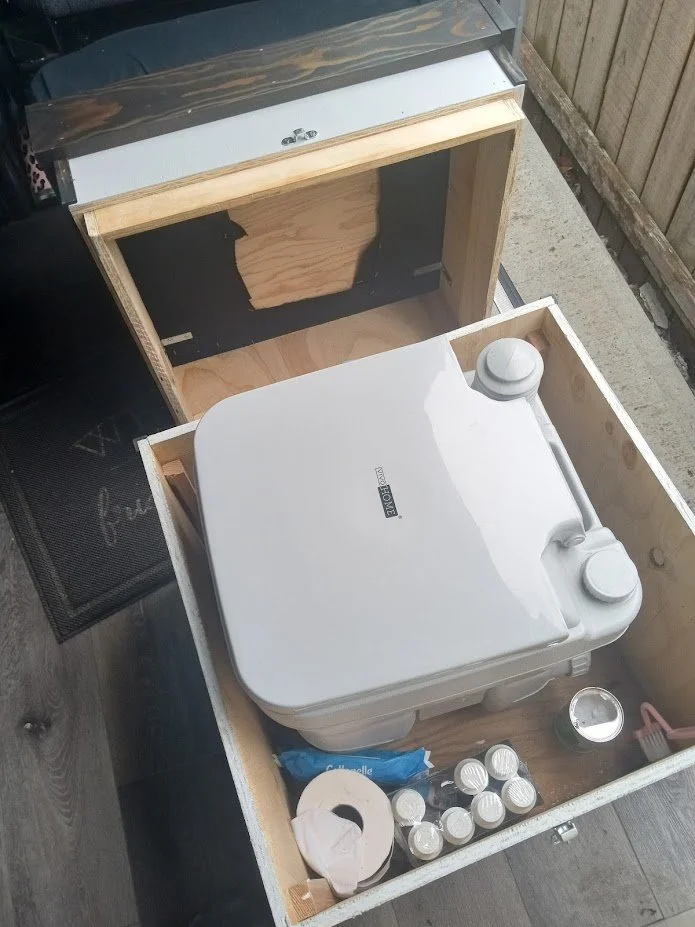
We use the VivoHome Cassette Toilet, pictured. (Click that and the Nature's Head Compost to compare.) The Vivo is 1/10th the cost, you don’t have to separate your solids and liquids, and you simply flush the contents down a standard toilet when you're ready. Additionally it is fully portable and requires no extra installation. We made a convenient seat as an enclosure for ours, but many people just let it live in the shower when not in use. - Simple, Scalable, Portable.
You can live without Air Conditioning (for now). We have given this it’s own section as well, due to how commonly it causes confusion, and costs people money. It's an area where folks put a lot of effort and cash in trying to make it work and, more often than not, fail to do so. Simply put, A/C takes a lot of Power. It is attainable via Solar, but it is a substantial expense, for a single item that you only run part of the year. - You can run everything else that you need, day to day by following our Simple Solar Tutorial, and reading that section of our book.
It would cost roughly 3-times as much to put together a system that can run Air Conditioning than the one featured Here (the exact setup that we use in our Rig). Remember, if you decide that you absolutely have to have A/C, you can always start small and scale-up later. - See our Air Conditioning DE_Mystified Tutorial for some thoughts on how to stay comfortable without without building a huge power plant or breaking the bank.

Less Stuff = Less Stress. - This is actually “Commandment #2” in Our Book. - The first stumbling block many people face in their Nomadic Journey is, “How do I cram everything I own into a School Bus?”
Spoiler Alert: You Don't.
We go much more in depth in the book, and include several suggestions and ideas about how to live with less, to say nothing of how doing so will actually make your life Much better in more ways than you can possibly imagine. (Trust us. It Will!) - Seriously, if you haven’t taken the hint yet, click on the image and buy the book. ;-)
In short, the less stuff you take with you, the less room you need, the smaller Rig you can buy, which means less money, less work, and a smaller Build. It also means a lot less stress and effort in finding room for, moving, cleaning, and maintaining the crap that you you don't really need, or at least, don't need every day. - Pro Tip: You can rent kayaks just about anywhere worth kayaking, you don't need to carry more food than you're going to eat this week, and it's not worth worrying about those family heirlooms getting lost, broken, or stolen somewhere in the mountains. - Find them another home.
Overall: Keep It Simple. “Commandment #4” in Our Book, encapsulates most of what we're discussing in this article. Every step of the way you are faced with a choice: Build something robust and complicated, or go with something scalable and inexpensive. - The latter is almost always the better decision. Several of our Tutorials discuss this and the other topics we've hinted at: The Simple Skoolie Kitchen, Save Power and Money, Doing a Build On The Cheap, Choosing The “Right” Insulation, and so many more. Visit our Tutorials Page for articles on every aspect of Nomad Life, as well as books (in addition to the one up there).
The best solution is to start off basic and work your way up! Don't get overwhelmed or overspend. - Remember you can always pack some Basic Tools and continue your Build on The Road. It doesn't have to be (and almost certainly won't be) “perfect” from the start.
-Freedom Is Closer Than You Think!
Quick Links:
Start The Engine - Establishing a Budget - Making a Living on The Road - Choosing a Rig - Do I Need A CDL? - Designing a Skoolie Build - Step By Step Build Order - Skoolie Toolbox - Doing a Build On The Cheap - 10 Tips to Save Power and Money - Skoolie Build Ideas - Solar 101 - “Inverter/Charger/Switch” or 3 Separate Devices - Simple Solar - Solar Cheat Sheet - Step by Step Solar - Water Setup - Propane Setup - Skoolie, Van, & RV Air Conditioning DE_Mystified! - Skoolie Heating - Insulation - Digital Nomad Connectivity - Choosing a Domicile State - Converting a Commercial Title - Van, Skoolie, and RV Insurance - Camping Clubs, Subscriptions, and Passes - Road-Skool / Home-School - The Simple Skoolie Kitchen
Jump To Page:
Home - Tutorials - Solar - Cooking - Refrigeration - Water - HVAC - Tech - RV Accessories - Gear - Swag.